Japan Travel Tips for First Timers: 15 Things to Know Before You Go
Japan is one of the easiest countries in the world to travel — once you understand a handful of systems that work differently from home. None of them are hard, but each one saves you money, time or a moment of confusion at exactly the wrong moment. These 15 Japan travel tips for first timers are the ones seasoned visitors wish someone had handed them at the airport.
Getting Around
1. Get an IC card on day one
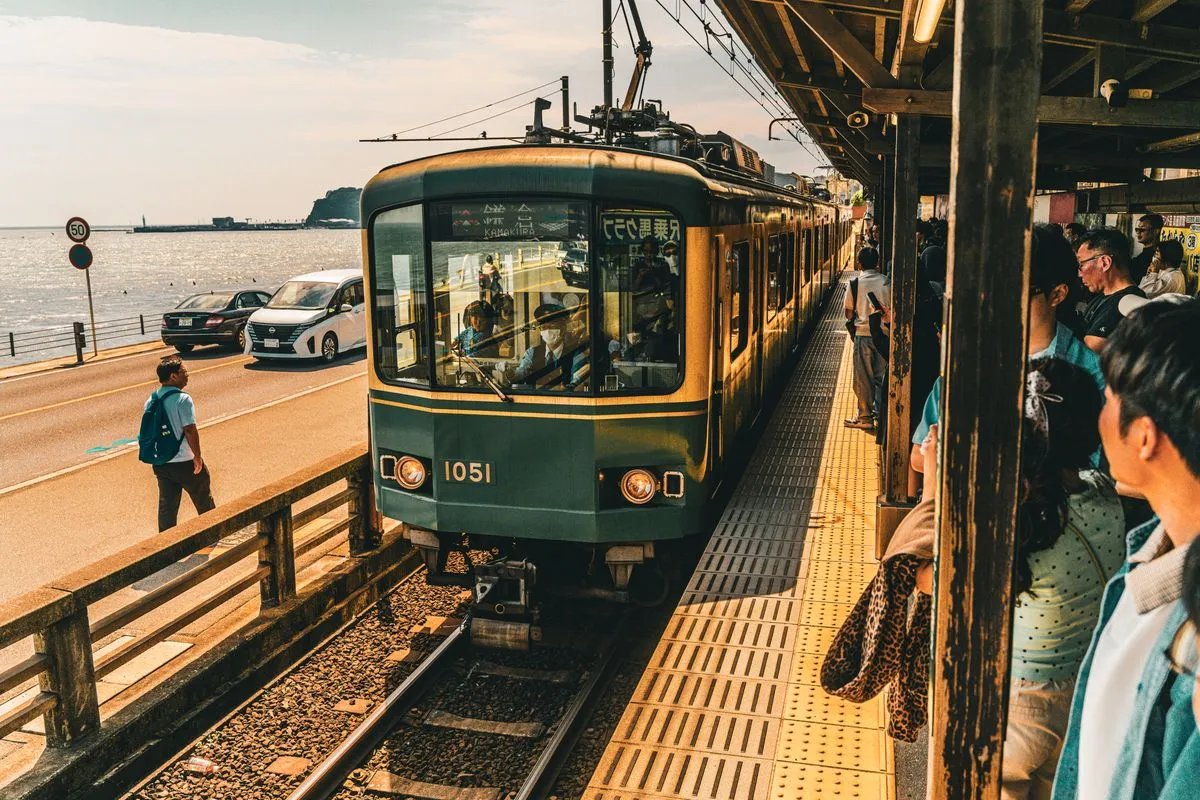
A rechargeable IC card — Suica or Pasmo in Tokyo, Icoca in Kansai — is the single most useful object in Japan. Tap it on trains, subways, buses and even at convenience stores and vending machines. Many visitors can also add a digital Suica to their phone wallet before landing. Top up as you go and stop thinking about tickets entirely.
2. Do the JR Pass math before you buy
The nationwide Japan Rail Pass once paid for itself with a single round trip, but it had a major price increase in 2023, and the math changed. Price your actual long-distance journeys first (Tokyo–Kyoto return is the classic test), compare the total with the pass, and consider regional passes too. For many one-region trips, individual tickets plus an IC card now win.
3. Learn five rules of train etiquette
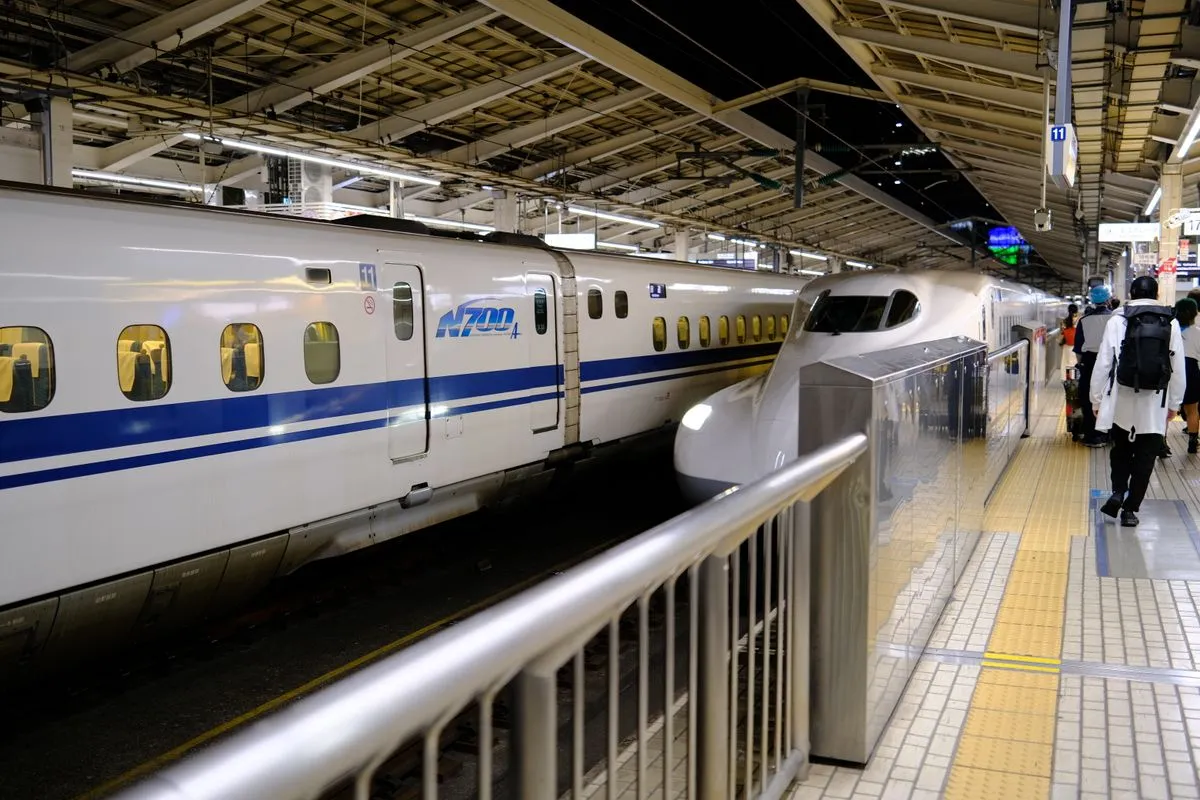
Trains in Japan run on quiet cooperation: queue in the marked lines on the platform; set your phone to silent (“manner mode”) and don’t take calls on board; keep conversations low; give up priority seats; and wear your backpack in front of you in crowded cars. Follow these and you’ll ride like a local.
4. Forward your luggage instead of dragging it
Japan’s delivery services (takkyubin) will send your suitcase from hotel to hotel — or from the airport to your hotel — typically arriving the next day. Ask your hotel front desk; it’s inexpensive, reliable, and transforms travel days. Carry just a daypack and let the big bag teleport.
Money Matters
5. Always carry some cash
Cards and phone payments are widely accepted in cities, but Japan still runs partly on cash: small restaurants, market stalls, shrine donation boxes, entrance fees and coin lockers. Carry a sensible amount of yen, and expect a lot of coins — a small coin pouch quickly becomes essential.
6. Know where your card works for ATMs
When you need more cash, convenience store ATMs — especially those in 7-Eleven stores — are famously friendly to foreign-issued cards. Post office ATMs are another reliable option. Small bank ATMs may not accept overseas cards at all.
7. Use convenience stores for far more than snacks
The konbini is a first-timer’s best friend: genuinely good meals and coffee, ATMs, bill payment, event tickets, printing and parcel services, all in one bright store on nearly every city block — many open around the clock. A konbini breakfast is also one of the easiest budget wins of the trip.
8. Shop tax-free, but carry your passport
Visitors can shop tax-free at participating stores (look for the Tax-Free sign) on qualifying purchases — generally once you spend a set minimum, around ¥5,000, in one store in one day. You’ll usually need your physical passport, and consumable items bought tax-free are sealed and meant to be taken out of the country unopened. Rules have been changing in recent years, so check the current official guidance before a big purchase.
Daily Life Skills
9. There is no tipping — really
Tipping is not part of Japanese service culture, and leaving cash on the table can cause confusion or a chase down the street to return it. Excellent service is simply the standard. A smile and a warm arigatou gozaimasu (thank you very much) is the correct tip.
10. Plan for a country with very few trash cans
Public bins are surprisingly rare in Japan — a legacy of safety measures and a culture of carrying waste home. Carry a small bag for your day’s rubbish, use the bins beside vending machines for bottles and cans only, and use station or convenience store bins when you find them. Never leave trash behind at a viewpoint or on a train.
11. Sort your connectivity before you land
You’ll use your phone constantly for maps, train routes and translation. Arrange an eSIM, a local SIM or a pocket Wi-Fi before arrival — airport pickup queues are nobody’s favorite first memory. Download offline maps and a translation app with Japanese language data while you’re at it.
12. Bow a little, and learn four phrases
A small bow goes a long way, and four phrases unlock a warmer Japan: arigatou gozaimasu (thank you), sumimasen (excuse me / sorry), onegaishimasu (please), and daijoubu desu (I’m fine / no thank you). Locals are unfailingly gracious about any attempt.
Temples, Shrines and Sightseeing
13. Know the basics of shrine and temple etiquette
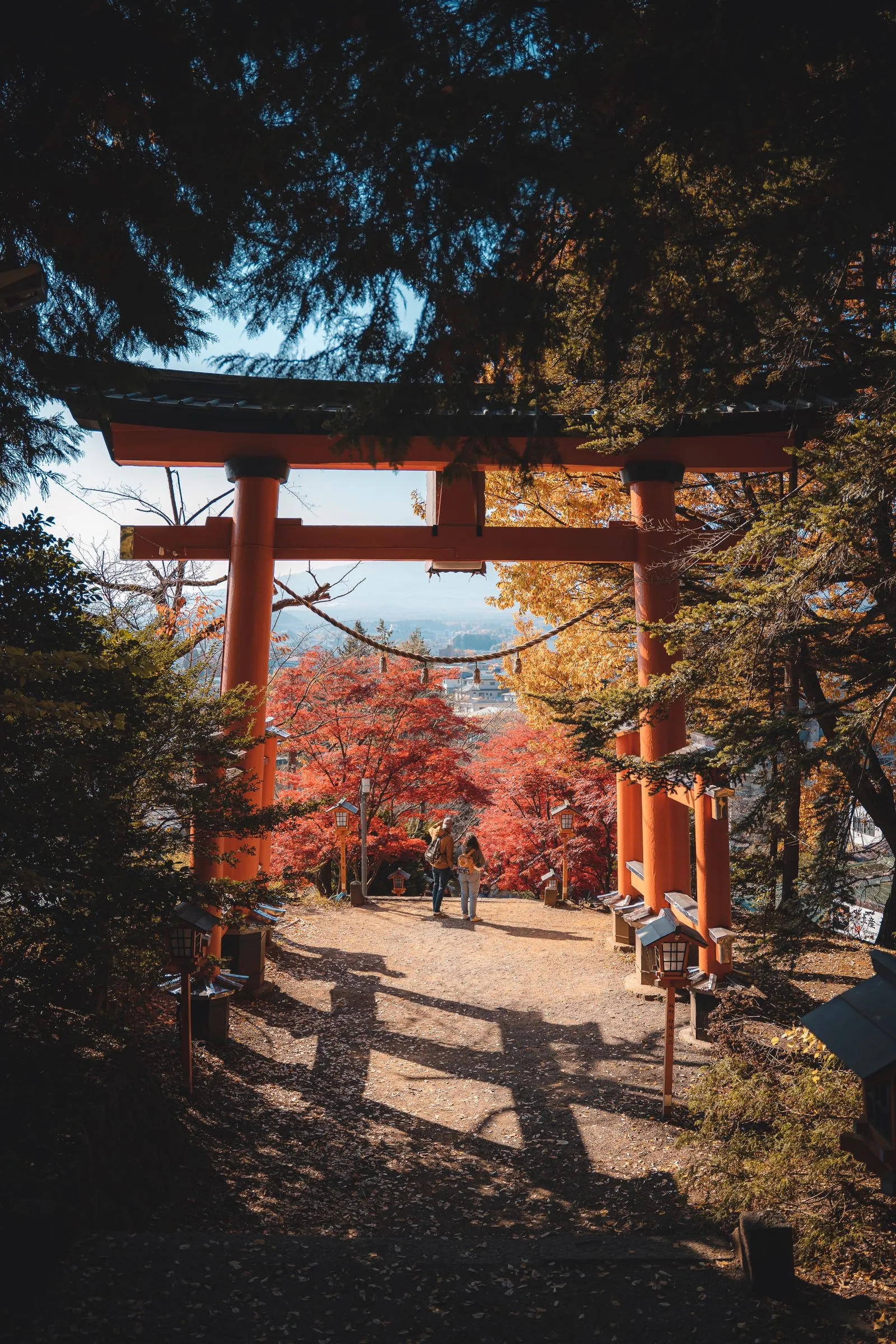
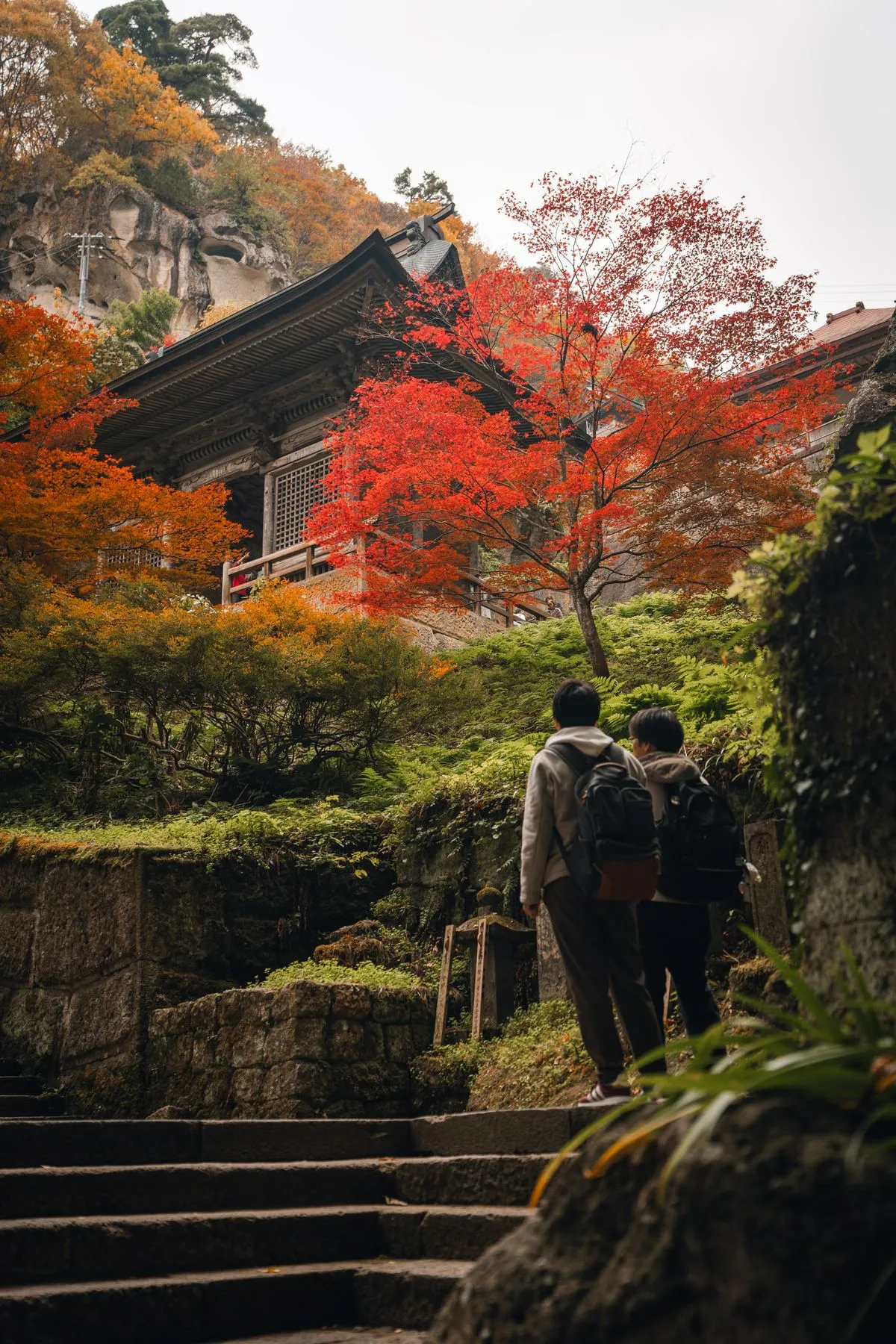
At a Shinto shrine, bow slightly at the torii gate, rinse your hands (and rinse the ladle) at the purification fountain, and pray with two bows, two claps and a final bow. At Buddhist temples, bow once quietly instead. Some halls forbid photography inside — watch for signs, keep your voice low everywhere, and never step onto tatami or gravel gardens in your shoes.
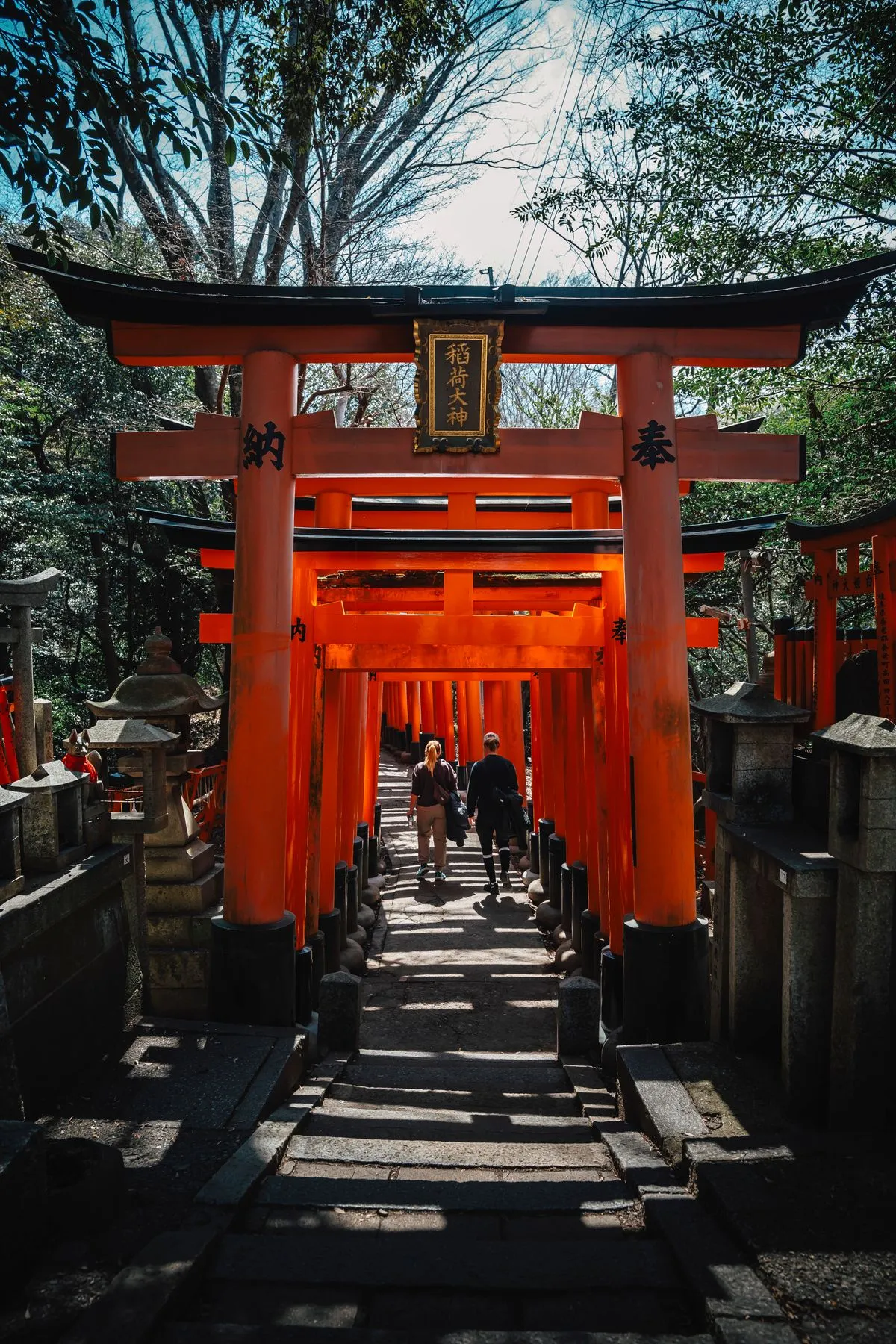
14. Book the famous things early — and go early
Timed-entry attractions like popular digital art museums, the Ghibli Museum and observation decks can sell out well ahead, so reserve as soon as your dates are fixed. For open sights, the golden rule is the first hour: arrive near opening time and you’ll share the famous temple with dozens of people instead of thousands.
15. Carry your passport, and check the last train
Visitors are required to carry their passport while out and about (you’ll also need it for tax-free shopping). And one final practical rhythm to internalize: city trains generally stop running around midnight. Note your last train home before a big night out — taxis exist, but they’re the budget option of last resort.
The Short Version
IC card in hand, cash in your coin pouch, suitcase forwarded, phone online, voice down on the train, trash in your bag, and no tip on the table. Master those, and Japan stops feeling foreign in the best possible way — leaving you free to enjoy everything that made you come.
All photos in this article are from Pexels; photographers are credited under each image and in the credits list below.
Photo credits
- Willian Justen de Vasconcellos — Pexels
- Musa Ortaç — Pexels
- Huu Huynh — Pexels
- Saúl Sigüenza — Pexels
- Alexander London — Pexels