5 Days in Tokyo Itinerary: A First-Timer’s Day-by-Day Plan That Actually Flows
Tokyo can swallow a first-time visitor whole. The city is really a constellation of distinct neighborhoods, each with its own personality, and the secret to a great trip is not seeing “everything” — it’s grouping those neighborhoods in an order that flows, so your days feel rich instead of rushed. This 5 days in Tokyo itinerary does exactly that: one cluster per day, minimal backtracking, and a day trip saved for when you’re ready to breathe.
How This Itinerary Works
- One area per day. Tokyo’s sights are planned in geographic clusters, mostly along or near the JR Yamanote loop line.
- Stay near a Yamanote station (Shinjuku, Ikebukuro, Ueno, Tokyo or Shinagawa) and almost every day below becomes a straight line, not a zigzag.
- Mornings are for temples and neighborhoods; evenings are for neon. Several districts are genuinely better after dark — the plan leans into that.
Where to Stay in Tokyo
For this itinerary, location beats luxury. Pick a hotel within a few minutes’ walk of a Yamanote Line station and every day below starts with a single easy ride — or no ride at all. Shinjuku offers the most connections and endless food options; Ikebukuro gives similar convenience at gentler prices; Ueno suits early risers who love old Tokyo and easy airport access; and the Tokyo Station area is unbeatable if you’re adding day trips by bullet train. Business hotels near stations are the classic first-timer sweet spot: compact, spotless, and fairly priced.
Day 1: Asakusa and Old Tokyo
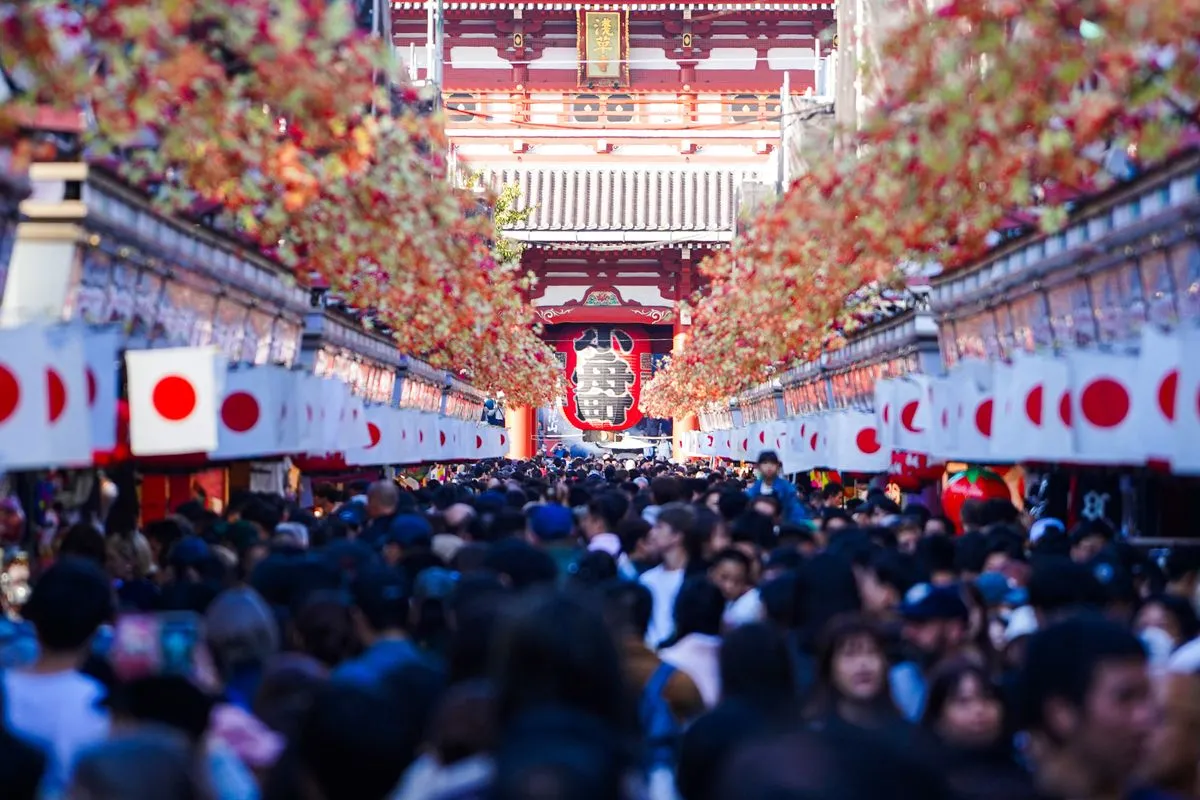
Start where Tokyo began. Asakusa is home to Senso-ji, the city’s oldest and most beloved Buddhist temple. Enter under the giant red lantern of the Kaminarimon Gate, browse the souvenir-and-snack stalls of Nakamise-dori, and explore the temple grounds — come early for the calmest atmosphere.
In the afternoon, choose your flavor of old-meets-new: stroll Ueno Park and one of its national museums, or cross toward the Tokyo Skytree area for skyline views and the traditional shopping streets of the shitamachi (old downtown). End the day with dinner in a lantern-lit alley near Asakusa or Ueno.
Day 2: Harajuku, Meiji Shrine and Shibuya
Begin in the forest. Meiji Jingu, Tokyo’s great Shinto shrine, sits inside a dense man-made woodland that instantly silences the city. Walk the wide gravel paths, write a wish on an ema plaque, and — with luck — catch a traditional wedding procession.
Step out of the trees and straight into pop culture: Takeshita Street in Harajuku, a joyful crush of crepe stands, vintage shops and youth fashion. When you’ve had your fill, drift down the tree-lined boulevard of Omotesando toward Shibuya.
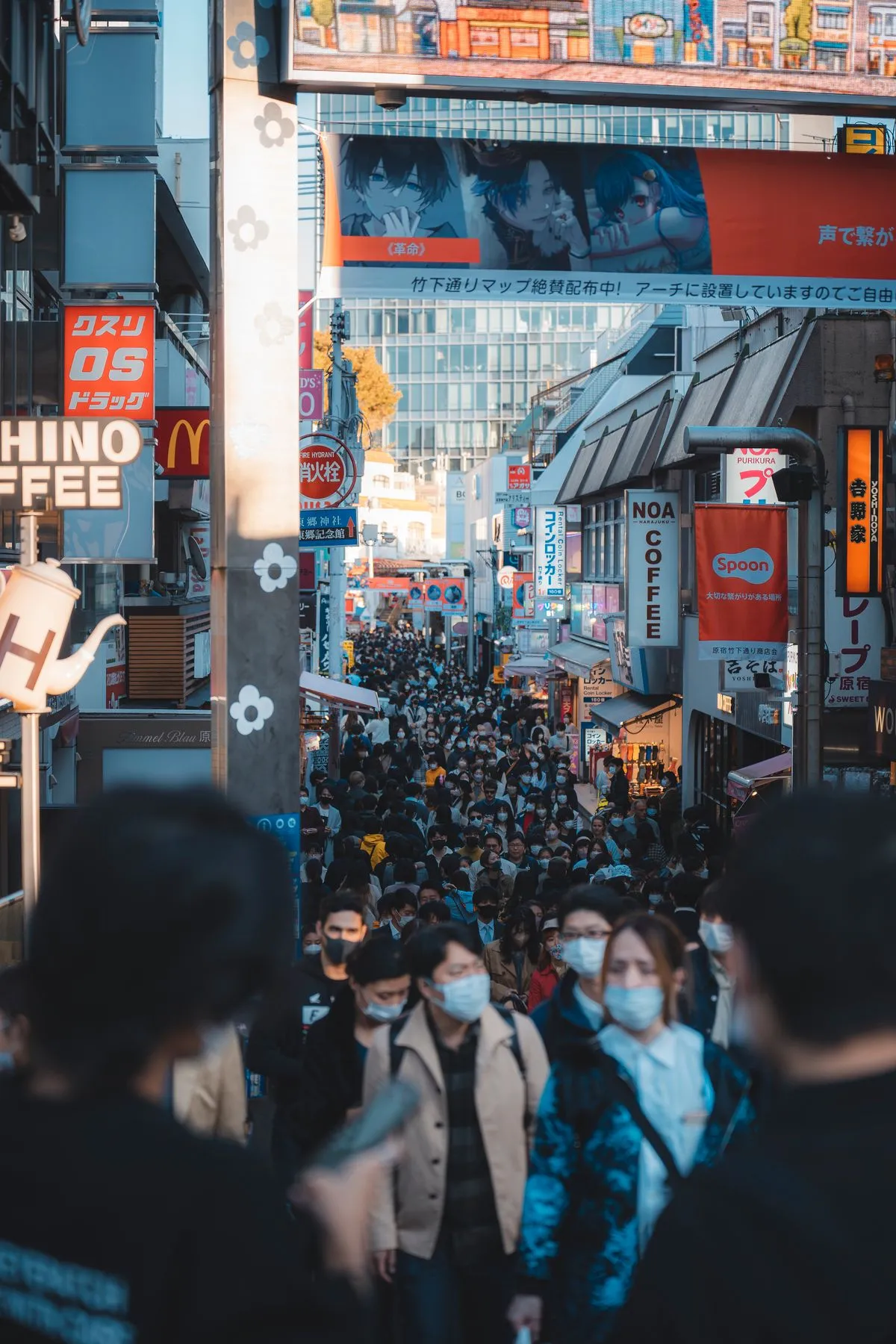
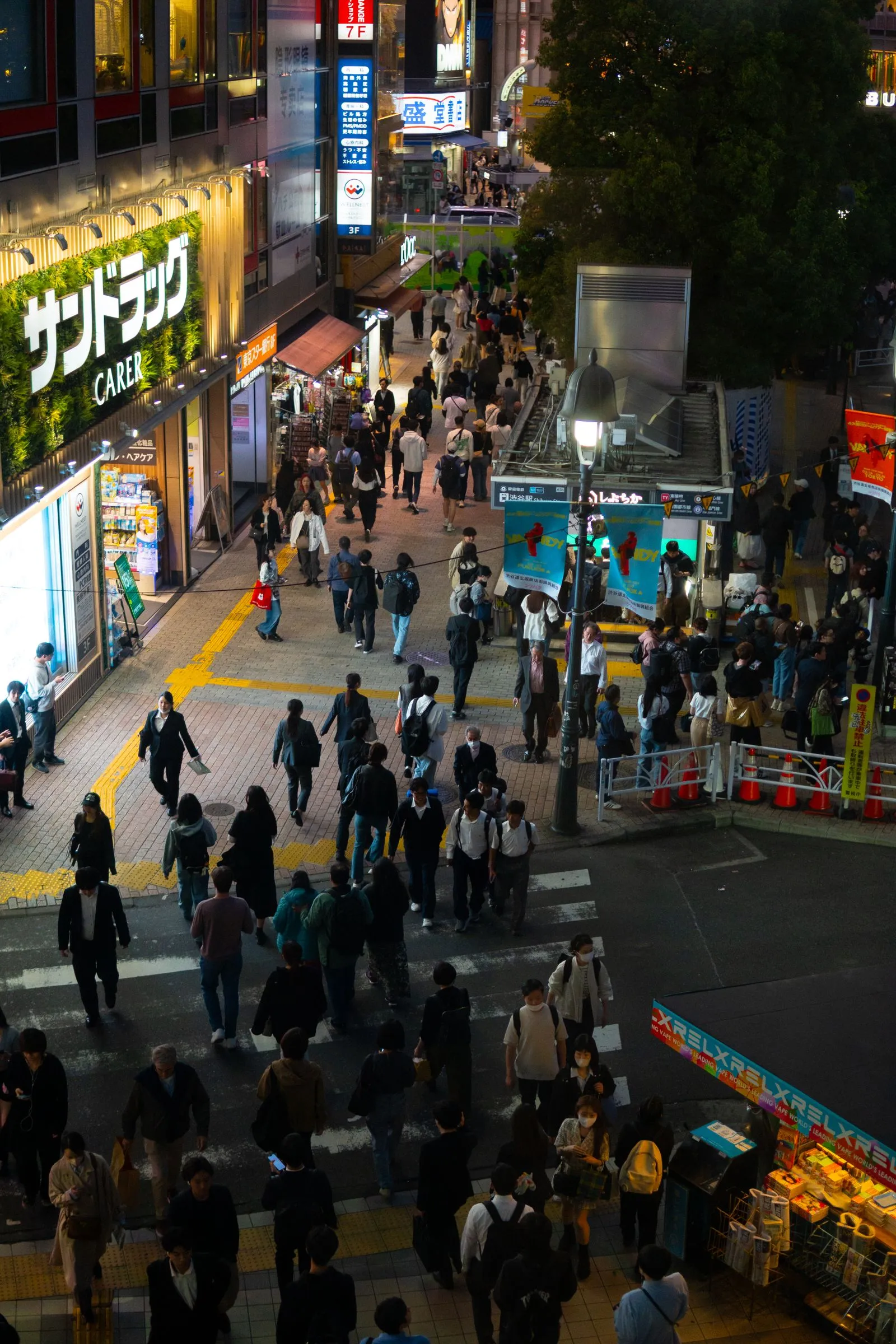
In Shibuya, pay respects to the loyal dog Hachiko, brave the Shibuya Scramble Crossing at rush hour, and watch it from above from a station-side vantage point. Stay for the evening: Shibuya’s side streets hide excellent ramen shops, standing bars and record stores.
Day 3: Shinjuku, Tokyo’s City Within a City
Shinjuku deserves a full day. Start above the clouds at the Tokyo Metropolitan Government Building, whose observatories are free and offer Mt. Fuji views on clear winter days. Wander the department stores and electronics shops around the station — one of the busiest transport hubs on Earth — then slow down in Shinjuku Gyoen, one of Tokyo’s finest gardens.
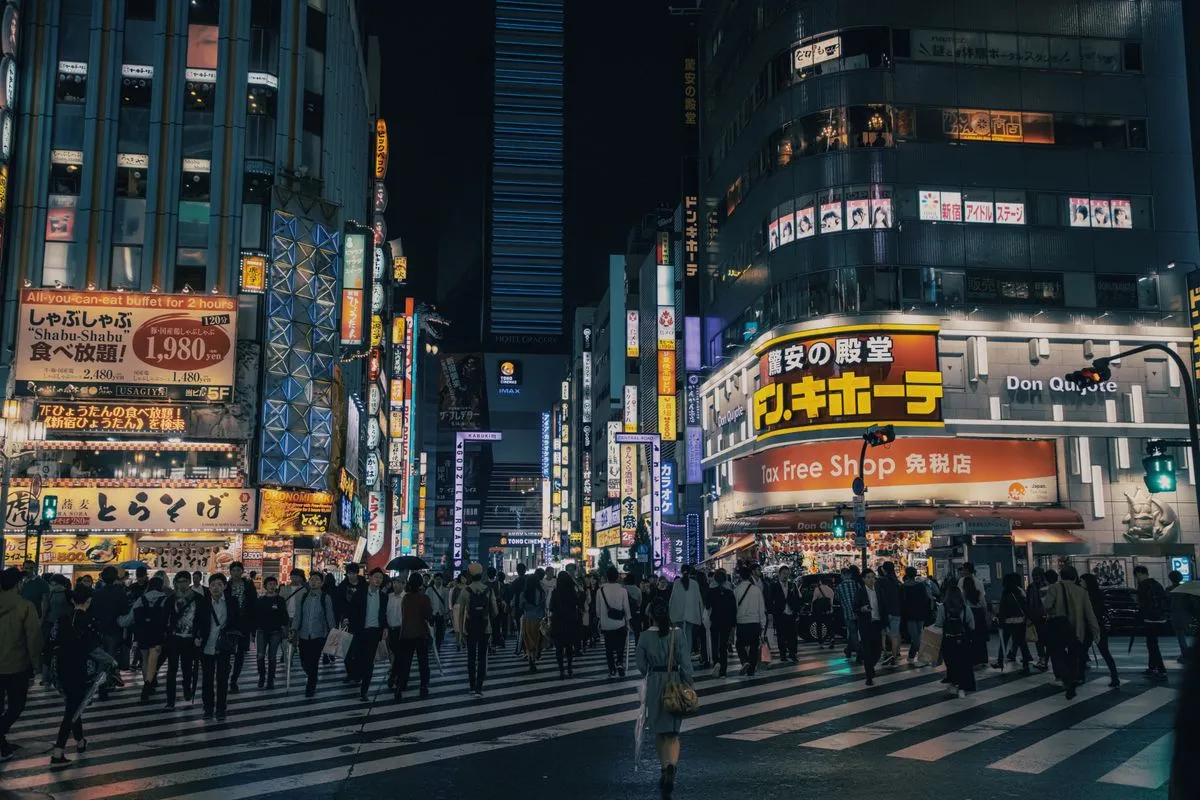
After dark, Shinjuku splits in two: the izakaya alleys of Omoide Yokocho, all lantern smoke and yakitori, and the tiny bars of Golden Gai, where six-seat drinking dens stack along narrow lanes. Pick one, eat well, and call it a night.
Day 4: Akihabara and the Imperial Center
Give the morning to Akihabara, Tokyo’s electric town. Multi-floor arcades, retro game shops, manga and anime megastores, and electronics bazaars fill the blocks around the station. Even if you buy nothing, the sensory overload is the attraction — and the arcades’ crane games will test your willpower.
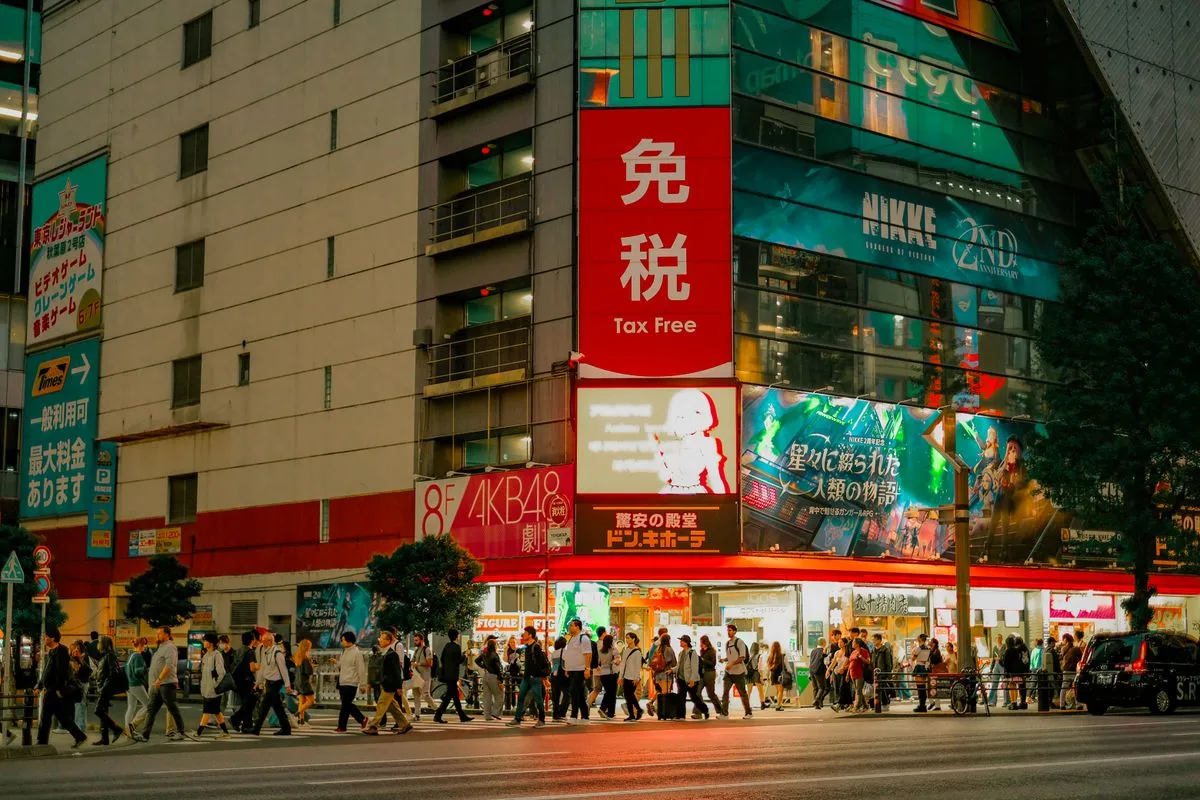
Balance it with the city’s calm center in the afternoon: the Imperial Palace East Gardens, open to the public and free, then the red-brick facade of Tokyo Station and the food halls beneath it. If your trip falls on a Sunday, Akihabara’s main street traditionally closes to traffic in the afternoon, turning it into a pedestrian festival.
Day 5: Day Trip to Kamakura (or Stay and Roam)
By day five you’ll ride Tokyo’s trains like a local — so leave the city. Kamakura, about an hour south by train, was once Japan’s feudal capital and now offers temples, a bamboo grove at Hase-dera, and the famous Great Buddha sitting serenely in the open air.
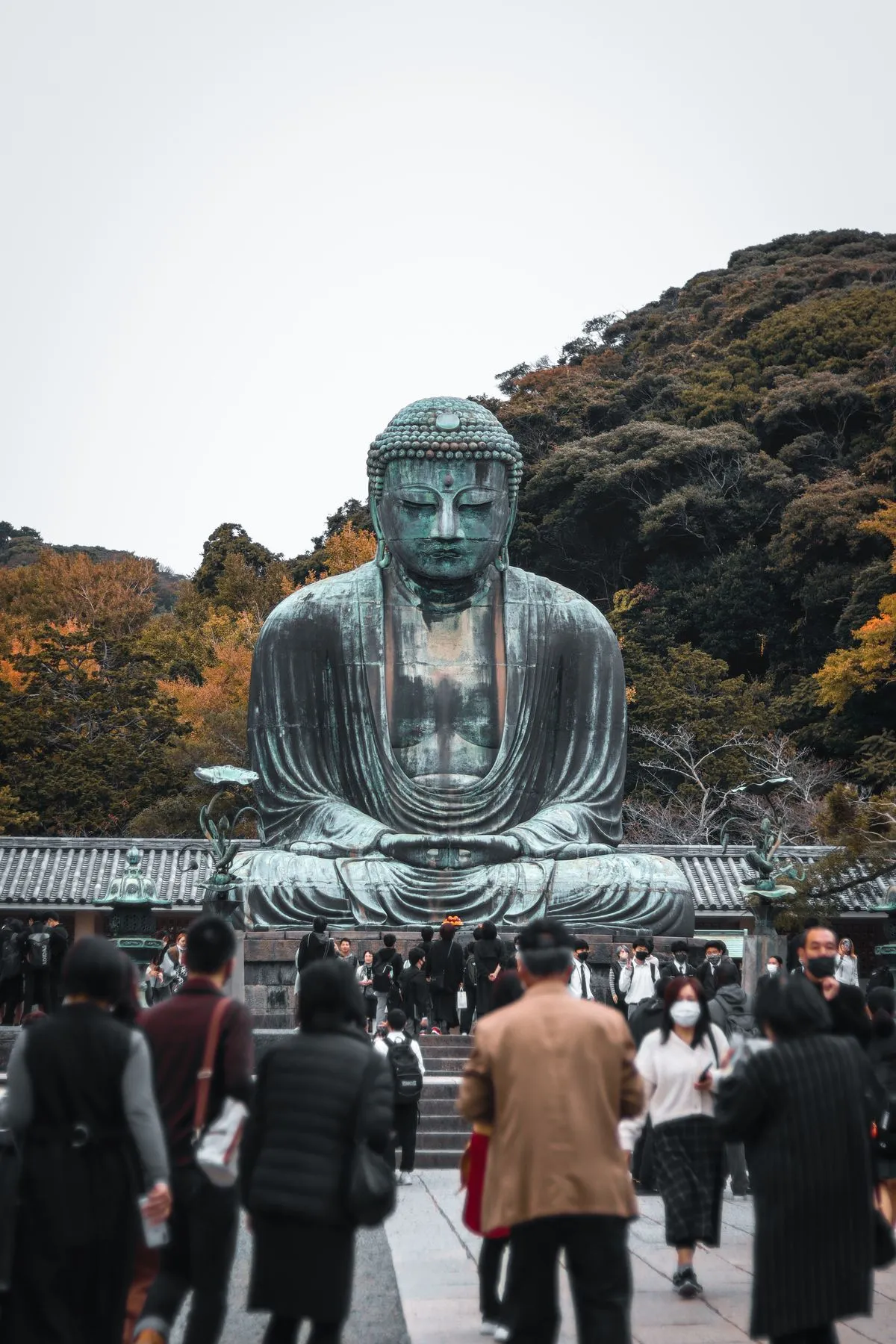
Ride the little Enoden line along the coast, stop for seaside views, and be back in Tokyo for a final evening. Prefer to stay in the city? Swap Kamakura for the museums of Ueno, the teamLab digital art museums (book these far ahead), or a slow day in the café-and-vintage neighborhoods of Shimokitazawa and Kichijoji.
Money-Saving Tips for Your 5 Days
- Get an IC card (Suica or Pasmo; a digital version lives in many phones). It beats day passes for most visitors because it works on every train, subway and bus — no math, no wrong-pass regrets.
- Eat your big meal at lunch. Many restaurants serve set lunches that mirror their dinner menus at friendlier prices.
- Use convenience stores brilliantly. A konbini breakfast of onigiri and coffee, or a picnic from its shelves, saves real money without feeling like a sacrifice.
- Lean on free viewpoints. The Tokyo Metropolitan Government Building observatories and many shrine and garden spaces cost nothing.
- Book big-ticket attractions early — popular timed-entry museums sell out, and last-minute resale is where budgets go to die.
- Walk the last mile. Tokyo’s neighborhoods blur into each other; some of the best discoveries happen between stations, for free.
- Sleep smart, not fancy. A clean business hotel near a station beats a glamorous address across town — you’ll spend the savings better on food and experiences.
- Ship souvenirs home from the store. Many department stores and airport shops can arrange delivery, sparing you the checked-bag fees for that extra suitcase of snacks.
Five days won’t exhaust Tokyo — nothing could — but this route will leave you feeling like you truly met the city: its temples and neon, its gardens and game centers, and its quieter seaside neighbor to the south.
All photos in this article are from Pexels; photographers are credited under each image and in the credits list below.
Photo credits
- Talha Resitoglu — Pexels
- Subhash Suryawanshi — Pexels
- Willian Justen de Vasconcellos — Pexels
- Tony Wu — Pexels
- Vinny Anugraha — Pexels
- Louis_ftn_ — Pexels